The Hot Table Story and Why Each Round Stands Alone
The hot table story turns a run into a shared tale. Learn to spot how a casino ritual shapes attention, conversation and the memory of a session.
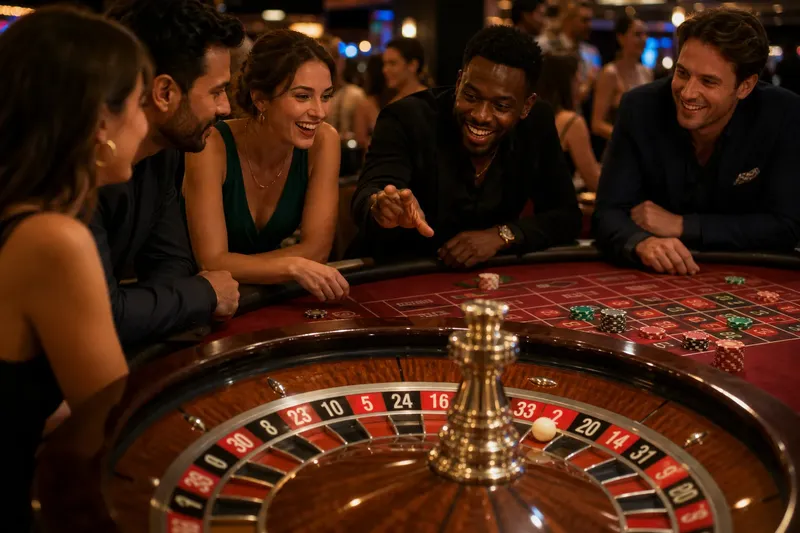
A roulette ball settles on red, and someone at the rail taps the table as if welcoming an old friend. “It’s hot tonight,” they say. The hot table story is more than a guess about the next result: it is a small ritual that gives a group something to notice, discuss and remember.
The hot table story gives a crowd a shared script
Calling a table hot can describe a lively stretch of play, a run someone has enjoyed, or a mood gathering around the rail. The phrase turns separate outcomes into one narrative. People point, cheer, exchange glances and wait to see what happens next.
That social function is distinct from whether a streak predicts anything. A crowd can find a sequence exciting without agreeing on what it means. One person may hope it continues; another may tell a friend that the table is bound to cool. Their disagreement can become part of the entertainment.
Casino language often works this way: it helps people share attention. “Hot” is a compact description of the moment, not necessarily a technical claim about the equipment or rules.
Ritual makes the sequence easier to remember
When players name a run, they give it a beginning and a shape. A succession of outcomes becomes “the red run” or “that lucky stretch”, something easy to retell after leaving the table. Ordinary rounds fade; the named sequence sticks.
There is a simple analogy in a kitchen: a favourite mug can make an everyday cup of tea feel like a small ceremony, though the mug does not change the tea. In the same way, a table ritual can change how people experience a session without changing the game’s mechanics.
This does not mean every player takes the phrase literally. Some use it playfully, as a way to join the room’s energy. Others may attach a prediction to it. Listening for that difference helps keep the social story separate from any claim about how a game works.
Notice what the table story asks people to do
A story can guide attention even when nobody states a firm belief. People may lean in, stay longer, call out outcomes or alter a decision because the room feels charged. The useful question is not simply whether the table is “really” hot, but what the label is doing in the conversation.
- If the phrase is only describing excitement, treat it as atmosphere and enjoy the conversation; if it is being used as a reason to predict an outcome, ask what game rule supports that claim.
- If someone names a run after several memorable results, notice that the label may help the group remember those moments; if you need a fuller account, include the uneventful rounds too.
- If a player changes a decision after hearing “hot”, pause and identify the reason; if it rests only on the label, consider returning to the game’s stated rules and your own limits.
- If people disagree about what “hot” means, ask whether they mean mood, recent outcomes or a forecast; if they mean different things, clarify before arguing over the word.
- If the group cheers a run, recognise the cheer as a social response; if it begins to feel like pressure to join in, step back or change the subject.
- If the story grows more dramatic in retelling, separate remembered highlights from the full sequence; if details are uncertain, describe the memory as an impression rather than a complete record.
How does a hot table story shape the session?
Does calling a table hot change the game?
The phrase itself does not alter a game’s rules or equipment. It can change what people notice and how they talk, so its influence is social rather than mechanical.
Why do players give a run a name?
A short label makes a sequence easier to share and recall. It also gives people a common point of attention, even when they interpret the run differently.
Can a hot-table story affect a player’s choices?
Yes, a player may respond to the excitement or to a belief about what comes next. It helps to distinguish the room’s mood from the game’s rules before deciding what to do.
What is the difference between a hot table and a cold table?
Both are informal labels for how a stretch of play feels to observers. One sounds favourable and the other discouraging, but neither label by itself explains the game or establishes a forecast.
A small scene shows how the story works
Imagine Maya joins a roulette rail after seeing red appear several times. Her friend calls the table hot, and two nearby players begin cheering each spin. Maya says, “It’s a lively run,” then asks whether her friend means the room feels exciting or expects the next result to follow the same pattern. The friend admits it is mostly the atmosphere.
Maya has taken three concrete steps: she names what she can observe, clarifies what the label means and separates the group’s excitement from a prediction. The result is not a better bet; it is a clearer conversation. The group can enjoy the ritual without mistaking its shared energy for information about the next round.
Keep the story vivid and the claim precise
When someone later recounts a hot table, listen for whether they are describing a memorable mood or claiming that the run revealed something about the game. You can ask what happened, what the phrase meant to the players and whether anyone treated it as a reason to act.
The hot table story can be worth telling because it captures a room’s attention and the way strangers briefly share a moment. Keeping that social meaning in view leaves room for the excitement while making it easier to recognise when a lively ritual is being asked to do the work of evidence.